
Cleaning sounds like a boring niche, and that is part of the appeal. Boring niches have buyers with real problems, products people repurchase constantly, and far less competition from polished lifestyle creators.
This guide walks through how an Amazon Influencer storefront built around cleaning products tends to work: what to do first, what usually flops, how long returns take, and what to expect from the income. It does not claim any personal results or income figures, because earnings vary widely and Amazon’s program terms change.
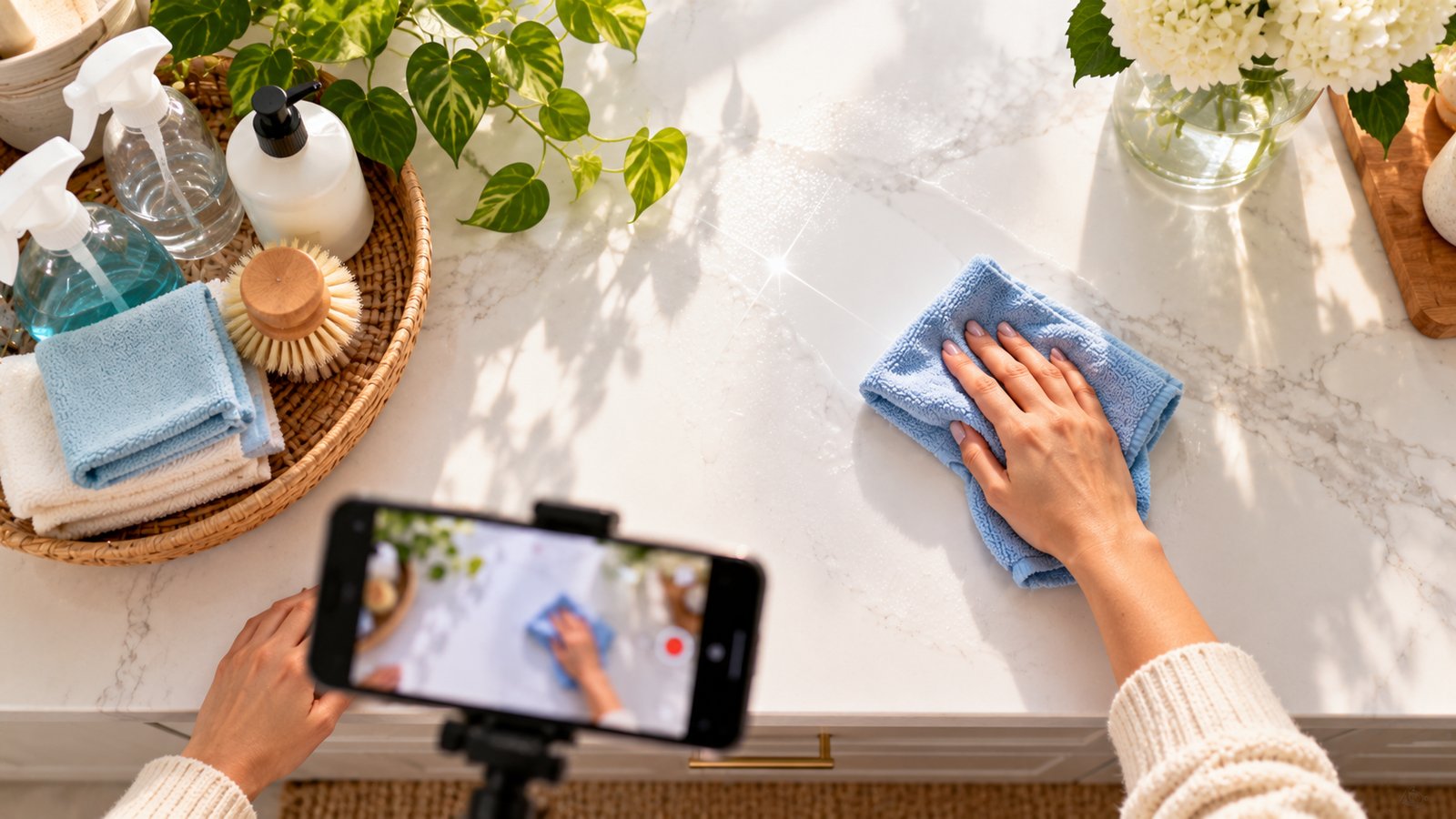
Why the Cleaning Niche Is Worth Considering
Before you film anything, it helps to know why this niche suits the format.
-
Repeat purchases. People buy cleaning products again and again, so your content can stay relevant for years.
-
Demonstration-friendly products. A before-and-after shot of a grimy stovetop sells better than a script.
-
Low production barrier. You can film in your own kitchen with a phone. No studio required.
One honest caveat: commission rates on household products tend to be on the lower end. The niche wins on volume and repurchase frequency, so plan your content around that math from day one. Check Amazon’s current commission rate table before you rely on any figure.
What Tends to Work
Onsite Shoppable Videos
The storefront is the shop window. Onsite videos are the sales floor.
When Amazon places your product video on a product detail page, you can earn a commission when shoppers watch it and buy. You do not have to generate the traffic for those sales, because Amazon brings the shoppers and your video helps close the deal. For many creators, that makes onsite video the main engine of the program.
Batching Honest, Unglamorous Reviews
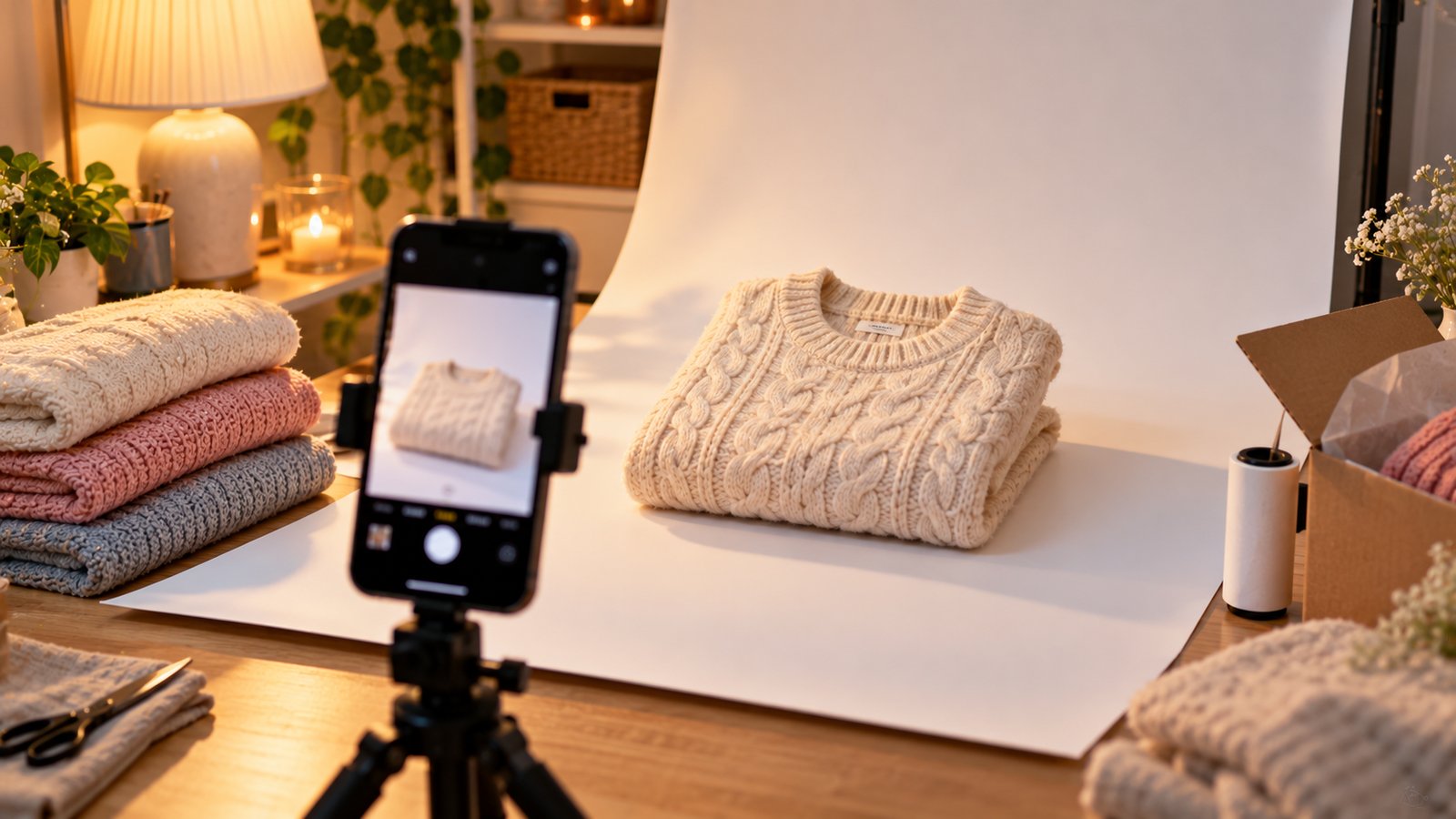
Filming in batches is efficient: set the phone on a tripod and shoot several products in one afternoon. A simple structure works well for each video:
-
Show the product solving the actual problem on camera
-
Mention one thing you did not like about it
-
State who should skip this product
Honest videos set accurate expectations, which helps shoppers decide and builds trust.
💡 Tip: Review products you already own first. It costs nothing and teaches you what Amazon accepts and how videos are placed.
Riding Seasonal Demand
Cleaning demand rises around spring cleaning and the holiday shopping season. Plan your filming ahead of those periods so your videos are live before shoppers start searching.

What Tends Not to Work
-
Chasing trendy viral products. Hype fades quickly, and videos about fads can stop earning. Evergreen staples like mops, scrub brushes, and laundry solutions are steadier.
-
Treating the storefront like a catalog dump. Adding dozens of products with no videos gives shoppers no reason to trust the recommendation.
-
Expecting the first videos to matter. Early videos mostly teach you the process. This is a volume game built on consistency.
-
Ignoring sustainability. Eco-friendly cleaning products are a growing area of interest, so it is worth including them early.
How Long It Takes to See Returns
Be skeptical of inflated income screenshots. Nobody can promise a timeline, and results depend on how many videos you publish, which products you feature, price points, and seasonality. A realistic expectation is that the early months feel slow and the effort compounds later, the way a blog does. You front-load the work and the income, if it comes, arrives on a delay.
⚠️ Warning: If you need income in the next 30 days, this program will frustrate you. Build it alongside an existing income stream and let it compound.

Thinking About Income Over Time
Think of income as a staircase. Each batch of approved videos adds a small recurring layer, and the library grows over time. Treat any large figure you see online as an outlier, and plan around modest, steady progress instead.

How This Fits Into a Bigger Content Strategy
An Amazon storefront is one asset in a stack. Your blog can drive search traffic, your videos can live on product pages, and the storefront ties your recommendations together. Each piece feeds the others.
If you already blog, you have an advantage. Your product review posts can link to your storefront, your filming skills transfer directly to onsite videos, and your audience already trusts your recommendations. You are adding a monetization layer to work you already do.

FAQ: Amazon Influencer Storefronts in the Cleaning Niche
How many followers do I need to join the Amazon Influencer Program?
Amazon evaluates engagement and content quality, not just follower counts. Check Amazon’s current eligibility guidance, and focus on an engaged audience in a clear niche when you apply.
Are cleaning products a good niche given the low commission rates?
Yes, with the right expectations. The niche relies on volume and repeat purchases rather than high commissions per sale.
How long until I earn my first commission?
It varies. Many creators earn little at first and build gradually as their video library grows.
Do I need a big social media presence to earn from onsite videos?
Not necessarily. Onsite shoppable videos appear on Amazon product pages, where Amazon supplies the traffic. You still need to meet Amazon’s requirements to be approved for them.
How many videos should I aim for?
Start with a first batch using products you already own, then build steadily. A sustainable weekly pace matters more than a burst of uploads.
Is this actually passive income?
It becomes more passive after an active building phase. Every video requires upfront work, then can keep earning once it is placed on product pages. Front-loaded income is a more honest description than instantly passive income.

The Takeaway
Digital assets reward documented, consistent effort over time, and they punish impatience.
Here is your first step: pick five cleaning products in your home, film one honest short review of each, and apply to the Amazon Influencer Program if you have not already. The path is visible. Take the first step.